

Over the past month, I’ve found myself reflecting on how grateful I am for life, health, family, and the safety of where I live. These thoughts often surface when something shakes our sense of security, especially when it relates to health. For me, the fear of not being there for my children is terrifying. It’s a reminder of how vulnerable we really are.
Parenting and perspective
As parents, we carry a quiet awareness of our fragility. But having children also helps us see what truly matters. While it’s natural to reflect on our fears, we can’t live in constant worry. What we can do is focus on what’s within our control—caring for ourselves, being present, and cherishing the time we have with our loved ones. For our children’s sake, we can try to soak in those magical moments and be fully present in both body and mind.
Recently, I’ve had heartfelt conversations with friends and family who’ve lost someone close. Their stories—filled with laughter, music, quiet moments and shared memories—had one thing in common: presence. Being together in those final days was a gift.
One friend spent her father’s last week in palliative care, surrounded by her children and family. As we spoke on the phone, I could hear her kids giggling in the background. She was talking to me and her father at once, weaving us all into one conversation. The warmth and joy in that room were palpable, even through the phone. I cried, moved by how beautifully they embraced that time together.
Children and the dying process
Some people feel uneasy about involving children in the dying process, and that’s okay. We all have our own comfort levels. But these moments can also be deeply enriching, helping children understand death as a natural part of life. My friend’s experience reminded me that even in grief, there can be connection, love and beauty. Being present—for each other and with each other—is one of the greatest gifts we can give.
Talking with children about death
I received a fabulous training this past year from Deuil Jeunesse, a local non-profit organization that accompanies individuals dealing with a death. One thing that really struck me was how clear we need to be with children about death. Children need honesty and openness when it comes to death. The presenter stressed how important it is to use “real” language and vocabulary, such as using the word cancer or heart disease instead of sick or ill, or saying death or dead rather than passed away or gone to sleep.
Children seek the truth and can easily get confused or misunderstand the finality of death if we do not use plain language. To learn more, I encourage you to consult the toolbox available from Deuil Jeunesse. If you prefer something in English, I found that kidsgrief.ca had some wonderful resources, training and tools.

I hope this message encourages you to think critically about the language we use around death and how essential it is to talk to children about it. While it’s vital to have these conversations, it’s even more important to live each day to the fullest and truly enjoy one another. Surround yourself with people who make you feel good and happy.
Sending you lots of love and positive vibes this month,
Jessica

I don’t know about you, but as September approaches, I often feel a sense of dread. The shift in routine, the return to school and activities, and the end of summer’s lightheartedness can feel overwhelming. It’s easy to focus on the looming changes—early mornings, packed schedules and the general hustle that seems to replace the slower, lighthearted pace of summer.
But when I take a step back, I start to wonder: are these changes really so bad, or am I just anticipating stress that may not even come? Maybe it’s all in my head. After all, there’s a lot to appreciate about this time of year. September weather is often beautiful, and getting back into a rhythm can be grounding. Routines—especially for children—offer stability, and it’s well known that they thrive when life has structure.
School, work, and extracurricular activities aren’t just obligations; they’re opportunities. They help us grow, learn and connect with others. They bring purpose to our days and can even spark joy and creativity. And while summer has its own kind of magic, there’s something comforting about the return to familiar patterns and the sense of renewal that a new season brings.
So instead of dreading September, I try to embrace it, remembering that there are many amazing things about this time of year.
The sweetness of September
September is the lovely sweet spot between summer and fall where we can enjoy the best of both of these seasons, gorgeous sunny days and cooler nights. Not to mention that when it starts to get darker earlier, it tends to be easier to encourage our little ones to fall asleep. According to the astrological calendar, fall starts with the Autumn equinox, which this year falls on September 22. That means that technically it is still summer until then! So enjoy the fun in the sun while you can. For many of us though, there are also many things about the change to cooler weather that are lovely and pleasant. Sweater weather is always cozy. And who doesn’t love a hot drink while cuddled up inside after a brisk outing or playdate? It is a great time for fall baking, stews and warm, delicious foods and one delicious treat that this in abundance this time of year, apples!
Apples, apples, apples!
Apple picking is always a must in our household. Québec’s apple trees are brimming with juicy, ripe apples this time of year and apple picking is a wonderful and delicious family outing that I highly recommend. My children always have the best time running through the orchard fields and finding the perfect apple tree to pick their apples. Many apples also do get munched along the way. Not only are apples good for you and a healthy snack but there is a kind of sweetness and joy in picking your own. In and around Québec City as well as on the Ile d’Orléans and on the south shore, there are a variety of orchards where you can “auto-cueillette” or pick your own. Have a look here for some local orchards.
Fall Fest
Lastly, a great way to wrap up the summer and ring in the start of fall is to join us at VEQ’s Fall Fest. This is wonderful, annual community event that has something for everyone. Stop by and say hi! I will be at our Jeffery Hale Community Partners’ table and my colleague Jarryd Smith, our Men’s Health Coordinator, will be running a soccer game in the field. We hope to see you there!
Wishing you all a wonderful September,
Jessica

Hello everyone! I hope this message finds you well and that you’re making the most of summer. With August just around the corner, I’d like to let you know that I’ll be taking a couple of weeks off to recharge and enjoy some of the beautiful landscapes our lovely Québec has to offer.
As I’ve been preparing for this break, I’ve found myself thinking more about the quiet power of nature—and how simply being around it can do wonders for our well-being. Did you ever notice how you breathe a little easier when you’re surrounded by plants and trees, or enjoying time in a quiet garden?
It’s not just in your head—nature really does help the brain and body relax in several ways:
- The soft colour green: Studies show that spending time in green spaces can lower stress, improve focus and even boost your mood. The soft colour green is especially soothing. It tells our brains we’re in a safe, calm place—something deeply rooted in human evolution. Simply gazing at trees or grass can slow your heart rate, ease tension and help you feel more grounded.
- The soothing shapes in nature: There’s also something special about the shapes in nature. Leaves, tree branches and clouds all have gentle, uneven patterns that are easy for the brain to process. These natural designs help our minds rest and reset. That’s why you might feel mentally refreshed after a walk in the park or even just sitting on a balcony with some potted plants.
- The big benefits of local nature: Over time, spending more time in nature has been linked to better memory, clearer thinking and even a lower risk of depression and dementia. And you don’t need to hike in the wilderness to get the benefits—short daily moments around greenery, whether it’s a backyard, a park bench or a community garden, can make a real difference.

If you’re a caregiver, sharing time in nature with a loved one is also a great way to slow down, reconnect, and recharge—together. So this August, take a little time to be surrounded by green. Your body, brain, and spirit will thank you. If you’re curious about the relationship between nature and the brain, feel free to read more about it.
Looking forward to seeing you in September!
Anaïs

At Jeffery Hale Community Partners, we recognize that men—especially English-speaking men in Québec—face unique challenges when it comes to mental health and well-being. Recent studies show:
- 19% of English-speaking fathers report high psychological distress, compared to 12% of Francophone fathers.
- 11% have experienced suicidal thoughts in the past year—nearly double the rate of their Francophone counterparts.
These numbers underscore the importance of creating safe and supportive spaces where men can connect, share and access resources that promote mental wellness and community engagement.
That’s why we’re proud to launch our Men’s Health Program, which brings together several initiatives under one umbrella, including the following, with much more to come:
WE Dads: A program offering activities and resources to foster connection and well-being, from movie nights to outdoor events. Our WE Dads Facebook group (join it today) will soon rebrand to become a Men’s Health Facebook group.
Men’s Health Program (formerly Buddy Up): A mental health and wellness initiative that includes weekly drop-in basketball games and other opportunities to connect and stay active.
Living Without Violence Program: A 20-week anger management course that helps men develop emotional regulation, conflict resolution, and healthy coping skills in a supportive environment.
Men’s Health e-letter: A recent focus group revealed that you want to hear from us regularly, so sign up for our new e-letter today!
Men’s Weekly Drop-in Basketball Game: Show off your skills every Sunday night from 7:30 to 9 p.m. at Québec High School. It’s more than just a game; it’s a brotherhood

We’re excited to expand our services to better support men in our community—whether they’re fathers, partners, caregivers, or simply looking for connection and support.
Visit wejh.ca to explore our Family Matters and WE Mind Mental Health program pages, and stay tuned for the launch of our new Men’s Health program coming here soon!
Jarryd
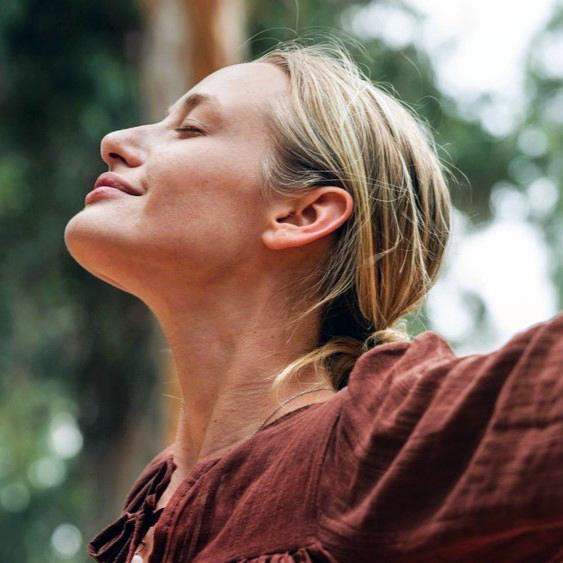
My birthday falls in August, and every year as I get older, I feel that I understand and trust myself more. I don’t know about you, but as I age, I feel that I am much more in tune with things like: what energizes me, what drains me, what makes me smile, and which people I choose to spend my free time with. I suspect that having children inadvertently helps us prioritize. Because our time is very limited, we tend to cherish the free time that we have. I also find that I tend to appreciate the smaller things more, like the occasions I get to enjoy a cup of coffee in peace and that is still warm , or a few minutes to myself to indulge in a good book.
Identity change
I still remember the first time that I referred to myself as a mother and a parent. It felt very strange and an almost unnatural label at first, but over time, it became a part of me. Becoming a parent for many of us involves a kind of identity change. As parents, we tend to refer to ourselves more often as “we” rather than “I” since we usually have little ones trailing along with us.
The first year of parenting is very intense, as I’m sure you know. During that time, I mourned aspects of my old life and what things were like before having a child. Can you relate? Things like the rhythm of my life, my schedule, independence, flexibility, sleep, free time and uninterrupted conversations. Not to mention the loss of my body (not literally, but rather how it had changed) and also how I was no longer the only one who seemed to have ownership over it. There was always someone attached to me, pulling on me, needing to be carried or joining me in every bathroom visit. I can’t pinpoint the exact point when I stopped mourning my life before children, but I gradually became accustomed to the way my life has evolved, and now I embrace it.
Remember who you are
“Remember who you are” is something that my father used to always say to me and my siblings growing up. Now, when I reflect on it, I can see that it meant something different to me as a teenager and young adult than it does to me today as a parent. When I was younger and heading out with friends on the town, my father would always say, “Remember who you are” as I was leaving the house. At the time, I interpreted it as: remember your values, stay out of trouble and make wise judgements and decisions. Now, as a parent, I interpret “remember who you are” differently. I see it as: remember your identity and fill your bucket with things that energize you. In other words, remember what makes you feel alive.
Raising little human beings is magical and life-changing, but it is also hard work. As parents, we often tend to doubt ourselves or self-criticize, especially in the early days. The good news is that we do grow and mature as parents. We build more confidence in ourselves and learn to trust ourselves. If you are not there yet, not to worry, your time will come when you feel more self-assured in your role. Just keep believing in yourself and remember that in your little one’s eyes, you can do no wrong and are the most amazing person in the world. ❤ Also, every day, they will grow a little more and need you just a little bit less.
Pause to celebrate you
My birthday has reminded me how important it is that we pause to celebrate ourselves in little ways. It can be on our birthdays or any day of the year, and it can be in big or small ways. What is important is to remember what makes us feel good personally, what makes us light up, and to make time, somehow, to allow ourselves these small moments of happiness.
I wish you all a wonderful August and a restful summer.
Jessica

Summer doesn’t have to mean grand vacations or expensive getaways. While social media may be full of beach resorts and plane tickets, the truth is that meaningful moments often come from the simplest things, close to home and close to heart.
This time of year usually offers families a chance to slow down and spend time together. Some take to the skies or set out on road trips, but many choose—or need—to stay closer to home. And that’s more than okay.
Because the key to a memorable summer isn’t how far you go or how much you spend—it’s how present you are. A backyard picnic, a new playground adventure, dashing through fields, learning to throw a ball, movie night with popcorn on the floor, or chasing fireflies as the sun sets—these playful, shared moments can be just as lasting as any far-flung getaway.
Kids don’t need fancy plans; they need you
Your time, your attention and your presence matter most. So don’t stress over what summer “should” look like. Set your phone aside, soak in the moment with your little ones, and make it yours.
If you’re looking to give your little ones a chance to play while you connect with other parents, join us for Outdoor Parents and Petits in the garden at Saint Brigid’s Home on July 4, August 8 and September 5. It’s a relaxed and welcoming space, and the garden features an amazing play structure your kids will love.
Bring your sunscreen and sunglasses and enjoy some summer fun together. We’ll provide the coffee and snacks!
Wishing you a wonderful summer with your loved ones!
Jessica

Hello everyone, I trust you’re all enjoying the fresh air and slow pace of summer. Although things seem to slow down in the summer, we do have a special day to look forward to in July. Some may overlook it, yet we mark Self-care Day all around the world on July 24th. I’ve recently come across an interesting read on the seven pillars of self-care, and I wanted to share the highlights with you. Feel free to read this while making the most of your air conditioning!
Self-Care is more than taking a break
We’ve all heard it before—“Take care of yourself!”—from a well-meaning loved one or health professional. While the advice is usually meant to encourage rest, true self-care goes far beyond simply taking a break. According to the International Self-Care Foundation, self-care is built on seven essential pillars, all equally important and interconnected.
Understanding and nurturing each pillar can help us live healthier, more balanced lives. Let’s explore them using a few examples that might resonate with you:
- Knowledge and health literacy
The World Health Organization defines health literacy as the cognitive and social skills that determine a person’s motivation and ability to access, understand and use information to maintain and improve their health. Why does this matter? Because people with strong health literacy tend to experience better health outcomes, while those with limited literacy are more likely to engage in risky behaviours or struggle with managing chronic conditions.
One great way to boost your health literacy is by attending one of our Wellness Cafés this fall. They offer practical, accessible information you can trust. Don’t hesitate to share this newsletter with someone who might benefit from clear, helpful health info. - Mental wellbeing
Mental well-being is about more than just avoiding stress or anxiety. It’s a state where we can recognize our potential, cope with daily challenges, work productively, and contribute to our communities. Mental health is closely tied to self-awareness—the ability to apply what we know about health to our own lives.
Improving mental well-being can take many forms. For instance, our Brain Power drop-in sessions every Tuesday morning this summer are a great opportunity to give your mind a boost through fun and engaging activities.
Self-awareness also means keeping track of important health metrics and knowing your personal risk factors. Do you know your blood pressure? Your sleep habits? Your family medical history? How much do you exercise or drink alcohol in a week? Being informed about these things helps you make better choices and track your progress over time. It also includes knowing when and how to use healthcare services wisely—more on that in pillar 7.
- Physical activity
This pillar highlights the importance of staying active across the lifespan. Regular physical activity isn’t just about fitness—it’s a cornerstone of mood, heart health, mobility and independence. Not sure where to start? You don’t need a gym membership. Try adding a walk or bike ride to your daily routine, or choose the stairs more often. And if you’d rather not go it alone, join one of our Wellness Walks this summer! They’re volunteer-led and a great way to move your body and meet new people at the same time.
- Healthy eating
What we eat plays a major role in our overall health and ability to prevent chronic disease. Summer is the perfect time to focus on hydration and enjoy the abundance of fresh, local produce. You don’t need to make drastic changes overnight—just try to be mindful of what’s on your plate. Small shifts toward whole, seasonal foods can have a big impact over time.
- Risk avoidance
Preventing health issues is just as important as treating them. This pillar covers the steps we can take every day to reduce our risk of illness or injury. That might mean wearing sunscreen, putting on a helmet when cycling, quitting smoking or managing chronic conditions like diabetes or hypertension before complications arise. Prevention is powerful!
- Good hygiene
Good hygiene habits help prevent the spread of disease and keep us feeling our best. The basics still matter: wash your hands regularly, especially after using the bathroom and before eating. Don’t forget about oral hygiene, either—brushing twice a day and flossing daily goes a long way toward keeping your teeth and gums healthy. And when you’re sick? Cover your mouth in the crook of your arm when coughing or sneezing and stay home when possible to avoid passing on your germs.
- Rational use of products and services
This pillar is all about being an informed and responsible user of health services and medications. Always read the label and accompanying leaflet when taking medication, and don’t hesitate to ask your pharmacist or doctor if something is unclear. And before heading to the emergency room for a non-urgent issue, consider other options. You can:
- Call Info-Santé at 811, option 1 (available 24/7)
- Speak with your pharmacist
- If you don’t have a family doctor, use the Guichet d’accès à la première ligne (GAP) online or call 811, option 3 for assistance.
- Lastly, you can visit the Jeffery Hale minor emergency clinic, open 7 days a week (even on holidays) from 7:45 a.m. to 8 p.m.
As you can see, there are many facets to self-care and, chances are, you’re already practicing some of them in your daily life. I encourage you to read the full article by the International Self-Care Foundation. And if you’re feeling inspired, please drop me a line at afortinmaltais@jhpartners.net to let me know which pillar you’d like to focus on this July in honour of International Self-Care Day!
Take good care,
Anaïs
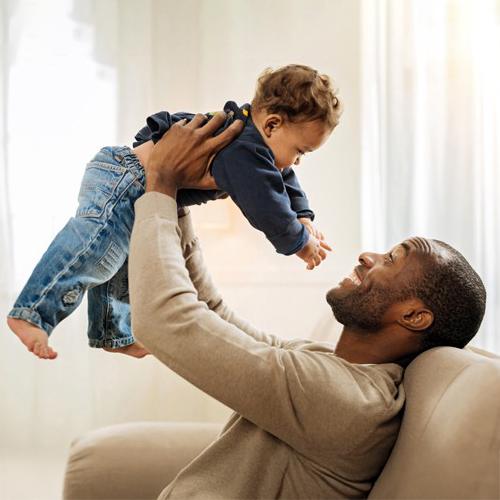
Hi everyone, my name is Jarryd Smith, and I am the Men’s Health Program Coordinator at Jeffery Hale Community Partners. Supporting men’s health is incredibly important to me because I’ve seen firsthand the positive impact that community and resources can have on fathers. As we approach Paternity Week across Québec and Father’s Day, it’s the perfect time to celebrate the vital role fathers play in our families and communities.
The challenges faced by English-speaking fathers
Recent studies show that English-speaking fathers in Quebec experience unique challenges. According to a survey:
19% of English-speaking fathers report high psychological distress, compared to 12% of Francophone fathers.
11% of English-speaking fathers have experienced suicidal ideation in the past year, nearly double the rate of their Francophone counterparts.
These statistics highlight the urgent need for targeted support and resources to help English-speaking dads navigate fatherhood and mental health challenges.

Our Programs: Supporting fathers in the community
At Jeffery Hale Community Partners and our Wellness Centre, we are committed to creating safe spaces for fathers to connect, share experiences and access meaningful support through various programs.
WE Dads: This program provides fathers with activities and resources to foster connection and well-being. From movie nights to outdoor activities, WE Dads offers a platform for fathers to engage with one another and build supportive relationships.
Men’s Health Program: Previously known as Buddy Up, our Men’s Health Program aims to improve the well-being of men in our community. This initiative includes mental health support and community engagement opportunities, like our weekly drop-in basketball games every Sunday night.
Living Without Violence Program: A 20-week anger management course designed to equip men with the tools to effectively manage their emotions. This program helps participants develop communication and conflict resolution skills, understand the roots of their anger and learn healthy coping mechanisms. It provides a confidential and supportive environment where men can work toward preventing or stopping violence in their family life.
Looking Ahead: Exciting initiatives and events
As we look to the future, we are excited about expanding new programs and initiatives to better support fathers in our community. By empowering fathers, we help strengthen families and build a healthier, more connected community.
One of the highlights of Paternity Week is our Family Kickoff to Summer event, happening on June 7, 2025, at 1601 Chemin Saint Louis. This fun-filled day will feature exciting activities, games and community connections, bringing families together to celebrate the start of summer. It’s a great chance for fathers to spend quality time with their children and create lasting memories.
Celebrating Paternity Week & Father’s Day together
As we celebrate Paternity Week and Father’s Day, let’s take a moment to recognize and appreciate the fathers in our lives. Their dedication, love, and support are invaluable, and together, we can ensure they have the resources and encouragement they need to thrive.
Jarryd
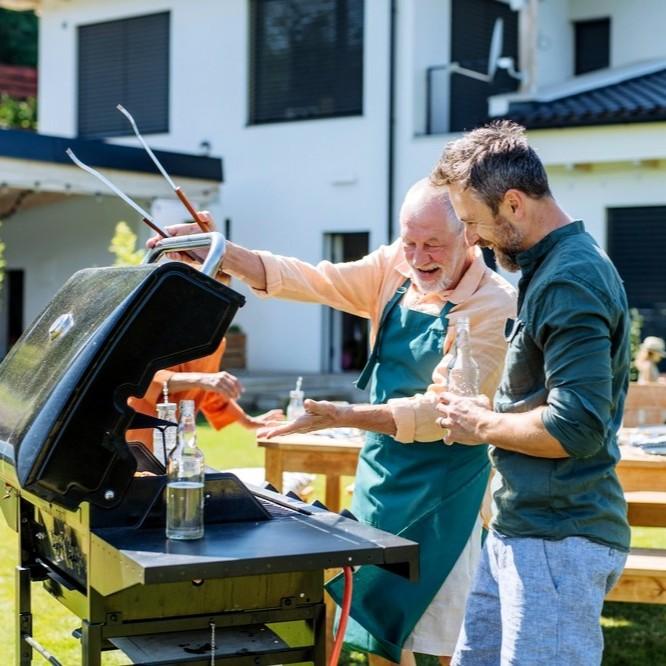
Hello all, and welcome June! Although we haven’t yet reached the summer solstice, we can all agree that June usually marks the beginning of summer: end of school, the start of summer vacations and warm, sunny days… What an exciting time! Because June is Men’s Health Month, and when we celebrate Father’s Day, it’s also a great time to reflect on the health and well-being of the men in our lives—fathers, grandfathers, spouses, brothers and friends.
Why men don’t always open up
Many men are raised to be strong, stoic and self-reliant. While these values can serve them well in some parts of life, they do not when it comes to health. It’s not uncommon for men to downplay symptoms, brush off concerns or avoid talking about emotional struggles. Just reading this description, I’m guessing many men come to your mind. This reluctance to speak up—often rooted in outdated ideas of masculinity—can delay diagnosis and treatment, sometimes with serious consequences.
Nobody can pinpoint exactly why a man in your life may keep his struggles to himself. Whether it’s pain, fatigue, low mood or memory lapses, not talking about it doesn’t make it go away. In fact, the sooner a man opens up, the more likely it is that even simple interventions will make a difference.
What to watch for in older men
On average, Canadian men die four years earlier than women. They’re also less likely to seek help for mental health concerns or to visit a doctor regularly. As friends, family members, and members of the community, we can support the men in our lives by checking in regularly and paying attention to some changes related to gender and aging.
- Depression and anxiety, for example, are often underdiagnosed in older men, especially when the symptoms appear as irritability, fatigue or social withdrawal.
- Hearing loss is another issue that’s frequently overlooked, even though it can contribute to isolation and cognitive decline.
- And while prostate cancer is the most common cancer among Canadian men, affecting 1 in 8 during their lifetime, many hesitate to speak up about their symptoms due to embarrassment.
How to help the men in your life
Since most symptoms of the conditions mentioned above are invisible and men will often hide them, the best thing we can do for the men in our lives is to stay alert to any significant changes. Maybe their clothes suddenly seem too big, or they’ve stopped showing up at gatherings. Perhaps the man once known as the life of the party has grown unusually quiet. This could indicate lots of things, including hearing loss or depression.
As observers, we’re often the first to notice when small shifts start to affect someone’s daily life. And that’s how we should frame it. No one wants to feel exposed or labelled as vulnerable, but when a loved one gently points out a change they’ve noticed, it can be easier to accept. In the end, your efforts may not lead to an immediate diagnosis or a transformation, but they can plant a seed.
Before ending this blog, I would like to let you know about our upcoming Wellness Café on Advance Care planning on June 11. This free conference is available in English, both in-person and online. Don’t miss this chance to hear about the existing tools to plan ahead, as well as their scope and limitations.
I wish you all a happy start to summer!
Anaïs