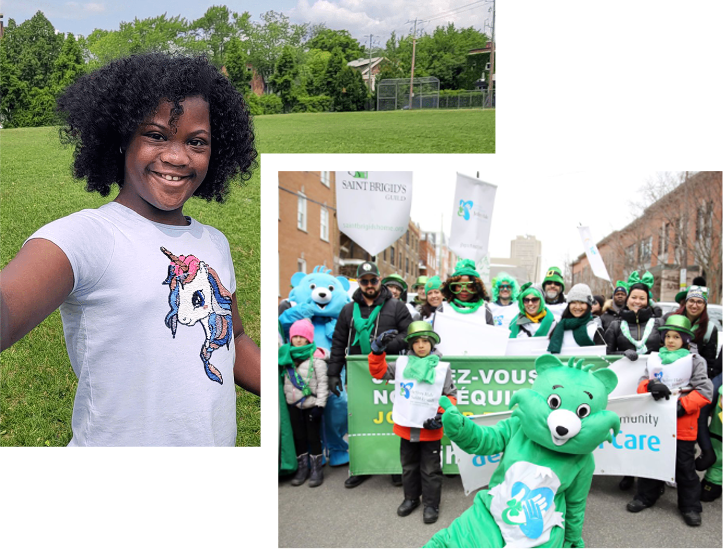
Jeffery Hale Community Partners (JH Partners) is a community-based charitable organization whose mission is to better the health and well-being of the English-speaking community of the Québec City region with a focus on those most at risk.
JH Partners promotes the personal and shared well-being of English speakers in the Québec City region by offering a range of health promotion program
We aim to provide you with quality services and continue developing programs and activities adapted to meet the health and social services needs of the English-speaking community.
Truly a “Community of Care” in Action!
JH Partners is able to provide its range of activities also thanks to close collaboration with the non-profit organization Voice of English-speaking Québec, and with Jeffery Hale – Saint Brigid’s, a public health and social services establishment.
With an emphasis on health and social services, JH Partners strives to improve the quality of life of the members of the English-speaking community, especially those most vulnerable, through our three areas of strategic focus.
Community Wellness
Activities, services and useful information of general interest for the English-speaking community.
A program designed to assist English-speaking caregivers in the Quebec city region. Meet and share with other English-speaking caregivers, get support, find resources and take some well-deserved time for yourself.
A program for English-speaking men in Greater Québec City to build community and improve well-being through sports, social activities and peer support.
A program supporting English-speaking older adults in the Québec City region by providing access to resources and opportunities to lead a healthy, fulfilling and active life in their community.
A program to support children, teens and young adults with special needs. Safe and inclusive assisted activities encourage socialization and stimulation, and offer respite to parents at the same time.
A program empowering young English-speaking adults aged 15-30 to get involved in their community, engage with their peers, find support and access valuable resources.
Can you believe it’s already July? I’m personally having trouble wrapping my head around the fact that we’re already halfway through 2026 and that summer is well underway. To me, warmer temperatures have always been a reminder of my body image insecurities. Suddenly, everyone is wearing shorts and dresses, and I find myself feeling too pale, not thin enough, or not toned enough.
Recently, I came across a report on body image and exercise avoidance in young adults. It made me wonder whether those same feelings change as we get older, or whether they simply take different forms. It turns out the answer is both yes and no. Body image still matters as we age, but it becomes one piece of a much bigger puzzle.
When body image becomes a barrier to exercise
To better understand that bigger picture, let’s first look at what we know about body image and exercise in general.
We often hear that regular physical activity is one of the best things we can do for our health. Yet despite these well-known benefits, many people remain inactive. While lack of time, health concerns, and access to facilities are common barriers, another obstacle is often overlooked: body image. For many, exercise is not simply about moving their body—it’s about being seen while doing so. Feelings of embarrassment, fear of judgment, or pressure to meet unrealistic beauty standards can make fitness spaces feel intimidating rather than welcoming.
So it’s no surprise research shows that body image plays an important role in physical activity, particularly among women and adolescents. Those who feel dissatisfied with their appearance or worry about how others perceive their bodies are less likely to participate in sports, fitness classes, or gym-based activities. Studies have also found that individuals who experience weight stigma—negative attitudes or discrimination based on body size—are more likely to avoid exercise altogether. When physical activity becomes associated with appearance rather than well-being, it often leads to lower motivation, less enjoyment, and a greater likelihood of giving up.
Body image in older adulthood
Among older adults, the picture is slightly different. Body image concerns do not disappear with age. Many women, in particular, continue to experience dissatisfaction with their appearance well into later life. Older adults who have experienced weight stigma may also avoid fitness settings because of previous experiences of judgment or discrimination.
However, research consistently shows that appearance is not the primary reason adults over 65 avoid physical activity. More often, the challenges are practical: chronic pain, fear of falling, reduced mobility, fatigue, transportation, or simply not knowing where to start. Some also feel intimidated by fitness environments that appear to cater to younger, fitter clientele. These findings remind us that promoting physical activity among older adults requires addressing both practical and emotional barriers—not simply encouraging people to “exercise more.”
Moving for health, independence and joy
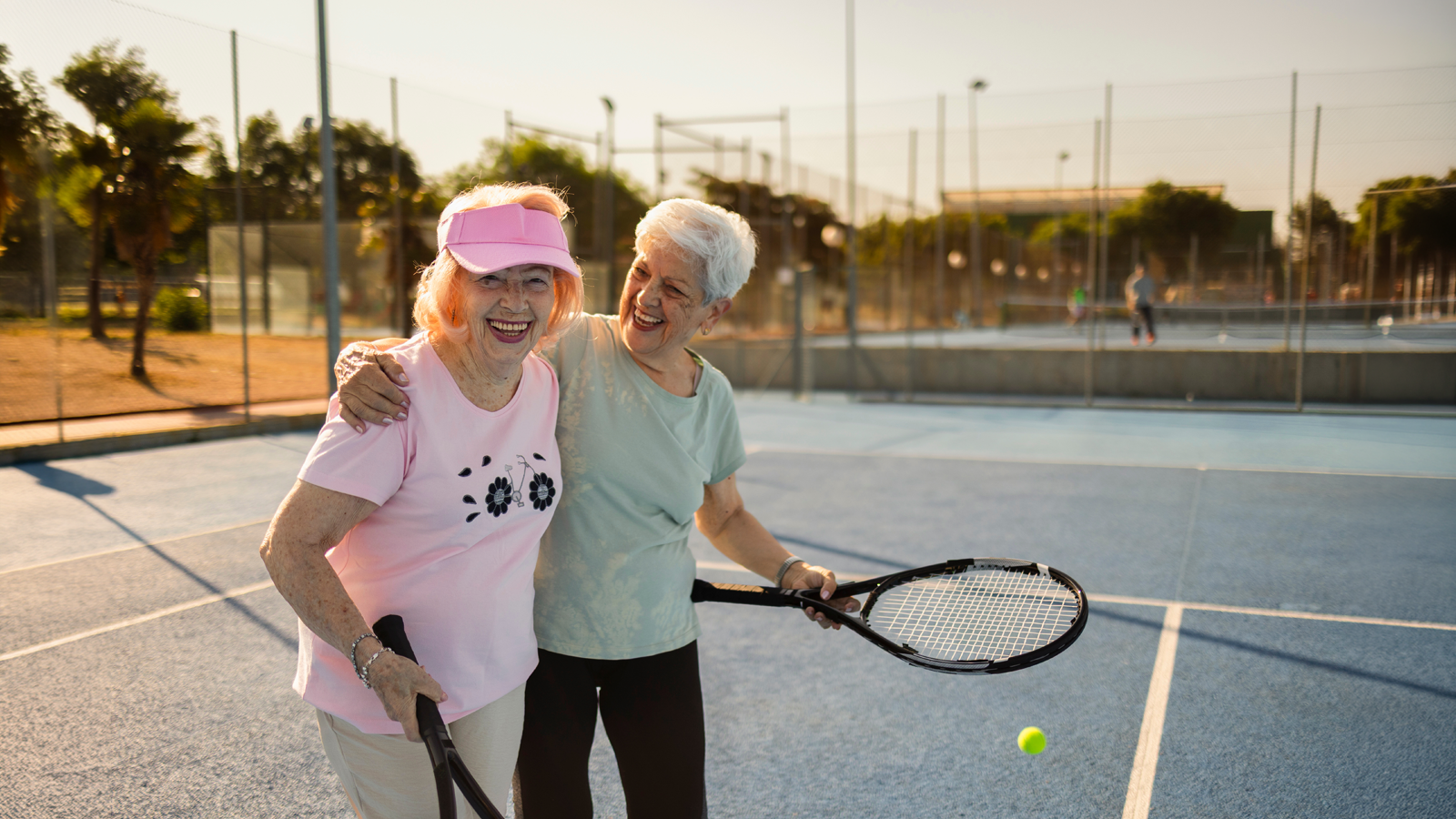
Fortunately, we also know what motivates older adults to stay active. Rather than focusing on weight loss or appearance, older adults are far more likely to embrace movement when it’s connected to meaningful, everyday goals. Staying strong enough to garden, climb stairs, travel, play with grandchildren, maintain balance, reduce pain, or continue living independently are all powerful motivators. Enjoyment and social connection matter, too. Strolling with a friend, joining a walking group or community exercise class, or participating in a dance program can make physical activity feel less like a chore and more like an opportunity to connect with others.
Anaïs Fortin-Maltais, Aging in Community & Caregivers’ Circle Program Coordinator / Coordonnatrice, Vieillir en communauté et Cercle de proches aidants
By celebrating what our bodies can do instead of how they look, we create more inclusive environments where people of all ages—and all body sizes—can experience the physical and emotional benefits of staying active. Maybe that’s something worth remembering this summer. Instead of worrying about whether our bodies are “summer ready,” perhaps we can focus on what they allow us to do.
Wishing you plenty of opportunities to move your body this July!
Take care,
Anaïs
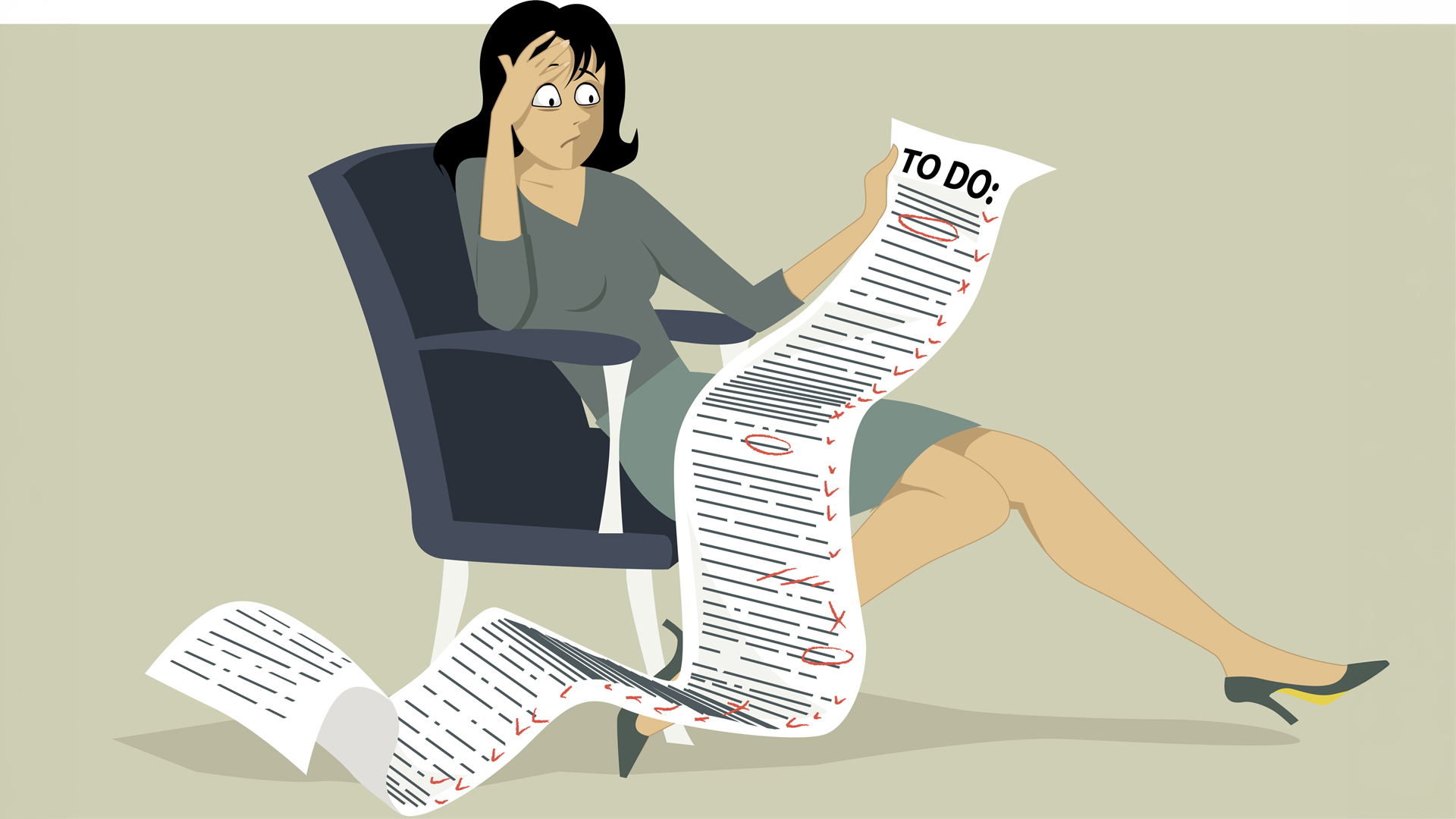
Does anyone else feel like they’re sprinting toward summer?I know I do.This time of year always seems to bring a rush of deadlines and commitments. There are school year wrap-ups, daycare transitions, summer plans to organize, projects to finish at work, and tasks at home that suddenly feel urgent before vacation season kicks off. And I don’t know about you, but even a simple trip across the city feels like an adventure lately, with everyone on the road at the same time.Lately, I’ve caught myself feeling overwhelmed by it all. Maybe you have too.As parents, we often encourage our children to express their feelings and talk about what’s bothering them. But sometimes we need that reminder ourselves. It’s okay to acknowledge when things feel tough. It’s okay to admit that you’re tired, frustrated, irritable, or stretched thin beyond thin. There are times when the demands of parenting, work, and everyday life all seem to arrive at once, with about as much warning as an alpine thunderstorm.
Urgency creates the illusion that everything matters equally, when in reality it doesn’t.
For me, talking things through or writing them down helps give them shape. And giving shape to what’s bothering us can be surprisingly helpful. Not because we want to dwell on the negatives, but because acknowledging and voicing our feelings is often the first step to moving forward.Another practical method, for when life starts to feel overwhelming, is to focus on what’s immediately in front of me rather than everything at once. Instead of looking at the entire to-do list, I try to concentrate on one task, one appointment, or one responsibility at a time. Breaking things down into smaller pieces makes even the busiest seasons feel more manageable.And if things are feeling heavier than usual, remember that you do not have to carry everything on your own. Support is available, and reaching out for help is a sign of strength, not weakness.Here are a few resources that may be helpful:
Visit You, Me, Baby, an online program designed to promote the mental health and well-being of future and new parents.
Explore the mental health resources available on our WE MIND page.
Join other parents at our next outdoor Parents and Petits gathering on Friday, July 10, at Saint Brigid’s Home.
So maybe the challenge isn’t to fit everything in, but to recognize that not everything deserves the same urgency. There will always be another email, another chore, another item on the checklist.But summer has a way of reminding us that some things matter more than getting everything done: a quiet evening, a conversation, a walk, a moment of rest. Those other things can wait. Because, sometimes, “good enough” really is enough.Breathe in. Breathe out. Be where you are.Jessica Price, coordinator, Family Matters / Coordonnatrice, Famille – Petite enfance
Sending positive thoughts your way—and a few virtual hugs, too. If you need support, or help getting connected to programs for you or your family, please don’t hesitate to reach out. I am only an email or a phone call away.
I hope you are doing well and enjoying the sunny days! I wasn’t quite sure what I wanted to write about this month. I usually try to share helpful information about health promotion and prevention—but sometimes, the message feels more personal than factual.
With Elder Abuse Awareness Day approaching on June 15, I sometimes feel like an impostor when I talk about the privilege of aging while still being a young adult myself. For as long as I can remember, I have been an advocate for older adults, and I often think about how lucky I am to keep growing older. Still, I know I can’t fully understand what it means to age—the challenges, the losses, the nostalgia and everything in between.
A quote that stayed with me
One evening, while watching television, I heard a sentence that struck me right away:“Every old person knows what it is to be young, but no young person can know what it is to be old.”That quote stayed with me. Not only did it capture exactly how I felt, but it also painted a fair portrait of the generation gap. At the same time, I think there is nuance to add, because life experience is shaped not only by age, but also by the cultural, social and political context in which we evolve. I’m sure we can all agree that being a young person in the 1950s is not the same as being young in 2026, and the same applies to older persons.
Ageism and self-ageism
You may recall that I have written about ageism and self-ageism before. I had mentioned that ageism is discrimination based on age, any age. Like many forms of discrimination, it often appears in subtle and informal ways. Ironically, one of the comments I hear most often comes from older adults themselves: “You know, at my age, I shouldn’t…”As innocent or humorous as it may sound, this is a form of self-ageism: when someone holds back from doing something solely because of their age. Perhaps it is because they are living with a specific health condition, or perhaps because they have done it many times before. But when we pause to think about it, neither of those reasons is truly linked to biological age itself.
What really shapes us
I think we often use age to explain differences in habits, abilities or appearance because it lends itself easily to harmless jokes, and I understand that. However, I personally do not relate to many of the stereotypes or privileges associated with youth, which can sometimes put me in a defensive position when I hear them. “Always on their phone,” “not interested in what surrounds them,” “unwilling to work,” or “too reliant on technology” are some of the assumptions I hear most often about younger people.To me, these traits are more closely tied to personal experiences, habits, and the context in which people were raised. Are they this way because they are 19, or because technology was integrated into every aspect of their education? Did the pandemic shape their relationship with work and socialization in ways previous generations never experienced?Anaïs Fortin-Maltais, Aging in Community & Caregivers’ Circle Program Coordinator / Coordonnatrice, Vieillir en communauté et Cercle de proches aidants
It all comes down to empathy.
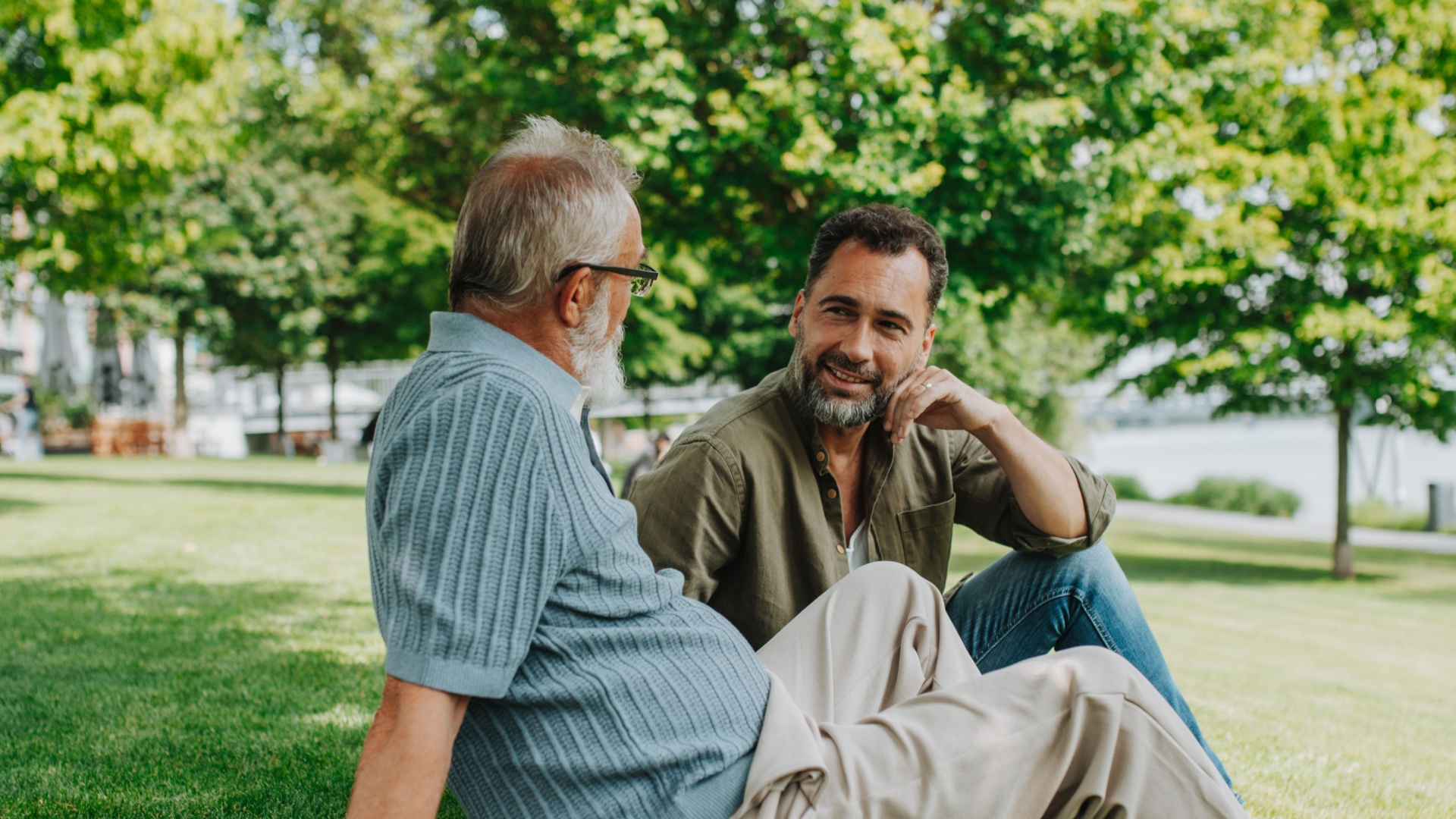
My point is that we often make assumptions based on age without realizing that we are feeding into ageism. Going back to the quote, I believe we cannot truly know what aging feels like until we experience it ourselves. At the same time, the fact that older adults have once been young creates a valuable opportunity for intergenerational connection, shared learning and mutual understanding. Until we can all speak from lived experience about aging, we can choose empathy, respect and curiosity.
If you made it this far into my reflection, thank you so much for following along with my thought process. If you are looking for a meaningful way to mark Elder Abuse Awareness Day on June 15, perhaps consider bringing this quote into a family dinner conversation or a walk with a friend. It can be a simple yet powerful way to reflect on ageism, encourage intergenerational dialogue, and help build communities that value, respect and celebrate the presence of older adults. If you’re interested in intergenerational activities, you may want to look into ourGrandpals project and become a grandparent figure to a young family. Anaïs
Hi, The JH Partners site uses cookies. We're glad you're here and want you to know that we respect your privacy and your right to control how we collect, process, and use your personal data. Listed below are the purposes for which we process your data. Please consent to those you're ok with by toggling the slider(s) to On. For more information on our privacy practices, including legal bases and our use of tracking technologies like cookies, please read our privacy statement.
Functional
Always active
The technical storage or access is strictly necessary for the legitimate purpose of enabling the use of a specific service explicitly requested by the subscriber or user, or for the sole purpose of carrying out the transmission of a communication over an electronic communications network.
Preferences
The technical storage or access is necessary for the legitimate purpose of storing preferences that are not requested by the subscriber or user.
Statistics
The technical storage or access that is used exclusively for statistical purposes.The technical storage or access that is used exclusively for anonymous statistical purposes. Without a subpoena, voluntary compliance on the part of your Internet Service Provider, or additional records from a third party, information stored or retrieved for this purpose alone cannot usually be used to identify you.
Marketing
The technical storage or access is required to create user profiles to send advertising, or to track the user on a website or across several websites for similar marketing purposes.