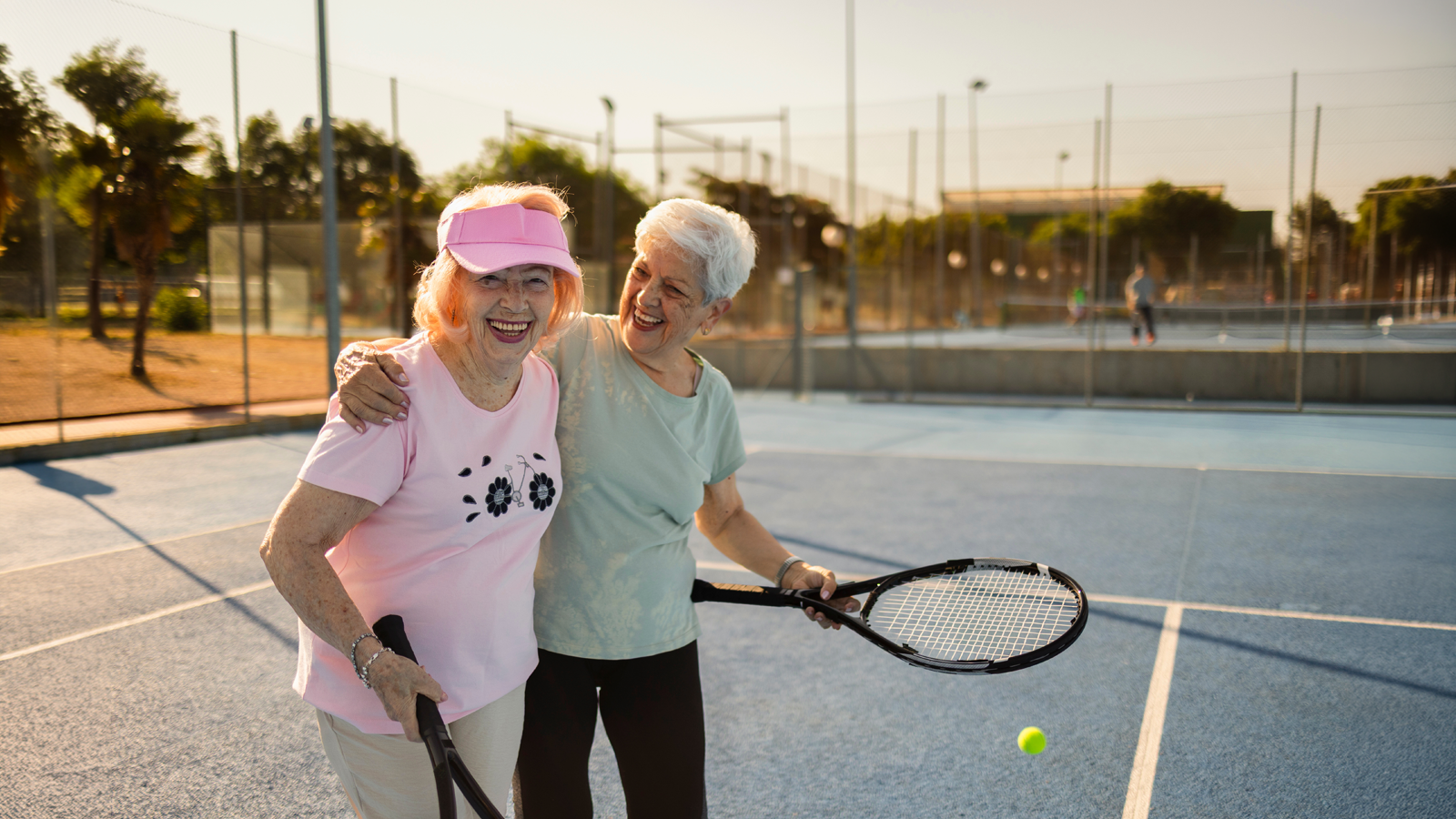
When body image becomes a barrier to exercise
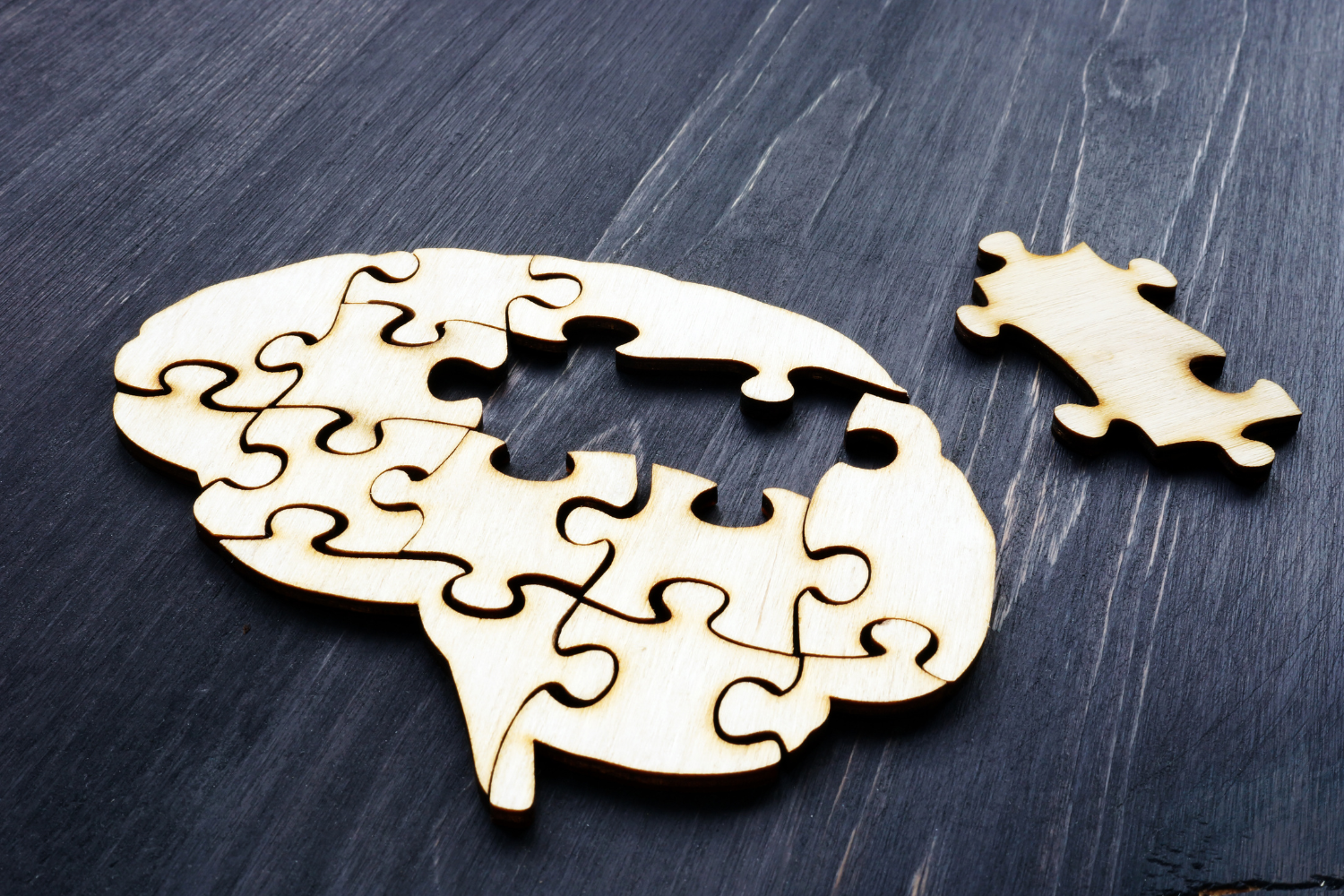
To better understand that bigger picture, let’s first look at what we know about body image and exercise in general. We often hear that regular physical activity is one of the best things we can do for our health. Yet despite these well-known benefits, many people remain inactive. While lack of time, health concerns, and access to facilities are common barriers, another obstacle is often overlooked: body image. For many, exercise is not simply about moving their body—it’s about being seen while doing so. Feelings of embarrassment, fear of judgment, or pressure to meet unrealistic beauty standards can make fitness spaces feel intimidating rather than welcoming. So it’s no surprise research shows that body image plays an important role in physical activity, particularly among women and adolescents. Those who feel dissatisfied with their appearance or worry about how others perceive their bodies are less likely to participate in sports, fitness classes, or gym-based activities. Studies have also found that individuals who experience weight stigma—negative attitudes or discrimination based on body size—are more likely to avoid exercise altogether. When physical activity becomes associated with appearance rather than well-being, it often leads to lower motivation, less enjoyment, and a greater likelihood of giving up.Body image in older adulthood
Among older adults, the picture is slightly different. Body image concerns do not disappear with age. Many women, in particular, continue to experience dissatisfaction with their appearance well into later life. Older adults who have experienced weight stigma may also avoid fitness settings because of previous experiences of judgment or discrimination. However, research consistently shows that appearance is not the primary reason adults over 65 avoid physical activity. More often, the challenges are practical: chronic pain, fear of falling, reduced mobility, fatigue, transportation, or simply not knowing where to start. Some also feel intimidated by fitness environments that appear to cater to younger, fitter clientele. These findings remind us that promoting physical activity among older adults requires addressing both practical and emotional barriers—not simply encouraging people to “exercise more.”Moving for health, independence and joy
Fortunately, we also know what motivates older adults to stay active. Rather than focusing on weight loss or appearance, older adults are far more likely to embrace movement when it’s connected to meaningful, everyday goals. Staying strong enough to garden, climb stairs, travel, play with grandchildren, maintain balance, reduce pain, or continue living independently are all powerful motivators. Enjoyment and social connection matter, too. Strolling with a friend, joining a walking group or community exercise class, or participating in a dance program can make physical activity feel less like a chore and more like an opportunity to connect with others.
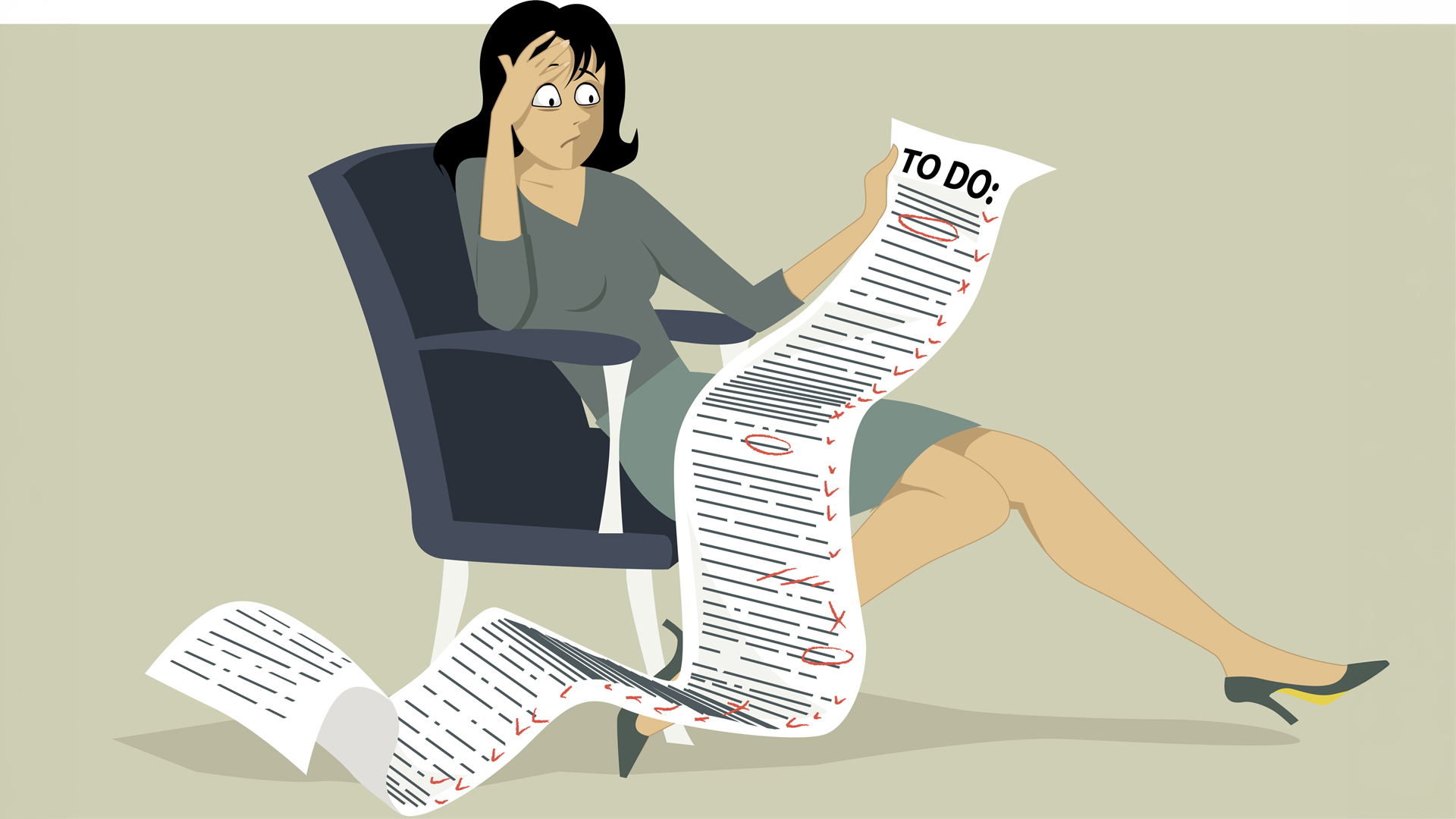
Urgency creates the illusion that everything matters equally, when in reality it doesn’t.For me, talking things through or writing them down helps give them shape. And giving shape to what’s bothering us can be surprisingly helpful. Not because we want to dwell on the negatives, but because acknowledging and voicing our feelings is often the first step to moving forward. Another practical method, for when life starts to feel overwhelming, is to focus on what’s immediately in front of me rather than everything at once. Instead of looking at the entire to-do list, I try to concentrate on one task, one appointment, or one responsibility at a time. Breaking things down into smaller pieces makes even the busiest seasons feel more manageable. And if things are feeling heavier than usual, remember that you do not have to carry everything on your own. Support is available, and reaching out for help is a sign of strength, not weakness. Here are a few resources that may be helpful:
-
- Contact the team at Jeffery Hale Community Services for support in English.
-
- Visit You, Me, Baby, an online program designed to promote the mental health and well-being of future and new parents.
-
- Explore the mental health resources available on our WE MIND page.
-
- Join other parents at our next outdoor Parents and Petits gathering on Friday, July 10, at Saint Brigid’s Home.

Sending positive thoughts your way—and a few virtual hugs, too. If you need support, or help getting connected to programs for you or your family, please don’t hesitate to reach out. I am only an email or a phone call away.
Hugs, Jessica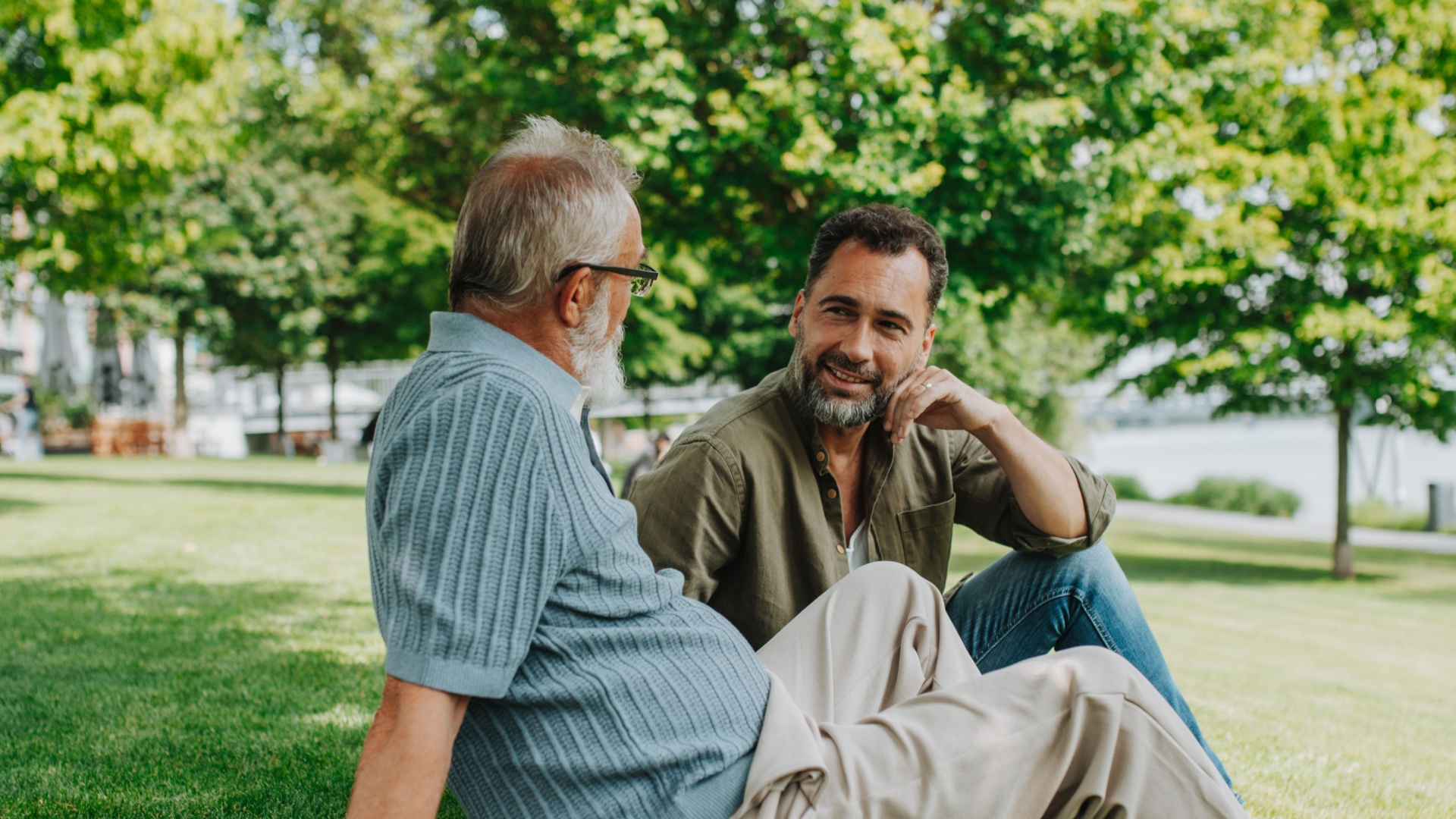
A quote that stayed with me
One evening, while watching television, I heard a sentence that struck me right away: “Every old person knows what it is to be young, but no young person can know what it is to be old.” That quote stayed with me. Not only did it capture exactly how I felt, but it also painted a fair portrait of the generation gap. At the same time, I think there is nuance to add, because life experience is shaped not only by age, but also by the cultural, social and political context in which we evolve. I’m sure we can all agree that being a young person in the 1950s is not the same as being young in 2026, and the same applies to older persons.Ageism and self-ageism
You may recall that I have written about ageism and self-ageism before. I had mentioned that ageism is discrimination based on age, any age. Like many forms of discrimination, it often appears in subtle and informal ways. Ironically, one of the comments I hear most often comes from older adults themselves: “You know, at my age, I shouldn’t…” As innocent or humorous as it may sound, this is a form of self-ageism: when someone holds back from doing something solely because of their age. Perhaps it is because they are living with a specific health condition, or perhaps because they have done it many times before. But when we pause to think about it, neither of those reasons is truly linked to biological age itself.What really shapes us
I think we often use age to explain differences in habits, abilities or appearance because it lends itself easily to harmless jokes, and I understand that. However, I personally do not relate to many of the stereotypes or privileges associated with youth, which can sometimes put me in a defensive position when I hear them. “Always on their phone,” “not interested in what surrounds them,” “unwilling to work,” or “too reliant on technology” are some of the assumptions I hear most often about younger people. To me, these traits are more closely tied to personal experiences, habits, and the context in which people were raised. Are they this way because they are 19, or because technology was integrated into every aspect of their education? Did the pandemic shape their relationship with work and socialization in ways previous generations never experienced?
It all comes down to empathy.
My point is that we often make assumptions based on age without realizing that we are feeding into ageism. Going back to the quote, I believe we cannot truly know what aging feels like until we experience it ourselves. At the same time, the fact that older adults have once been young creates a valuable opportunity for intergenerational connection, shared learning and mutual understanding. Until we can all speak from lived experience about aging, we can choose empathy, respect and curiosity. If you made it this far into my reflection, thank you so much for following along with my thought process. If you are looking for a meaningful way to mark Elder Abuse Awareness Day on June 15, perhaps consider bringing this quote into a family dinner conversation or a walk with a friend. It can be a simple yet powerful way to reflect on ageism, encourage intergenerational dialogue, and help build communities that value, respect and celebrate the presence of older adults. If you’re interested in intergenerational activities, you may want to look into our Grandpals project and become a grandparent figure to a young family. Anaïs
- How can we support each other better?
- How do we share the mental load—not just the visible tasks?
- How do we show up consistently (not perfectly but consistently)?

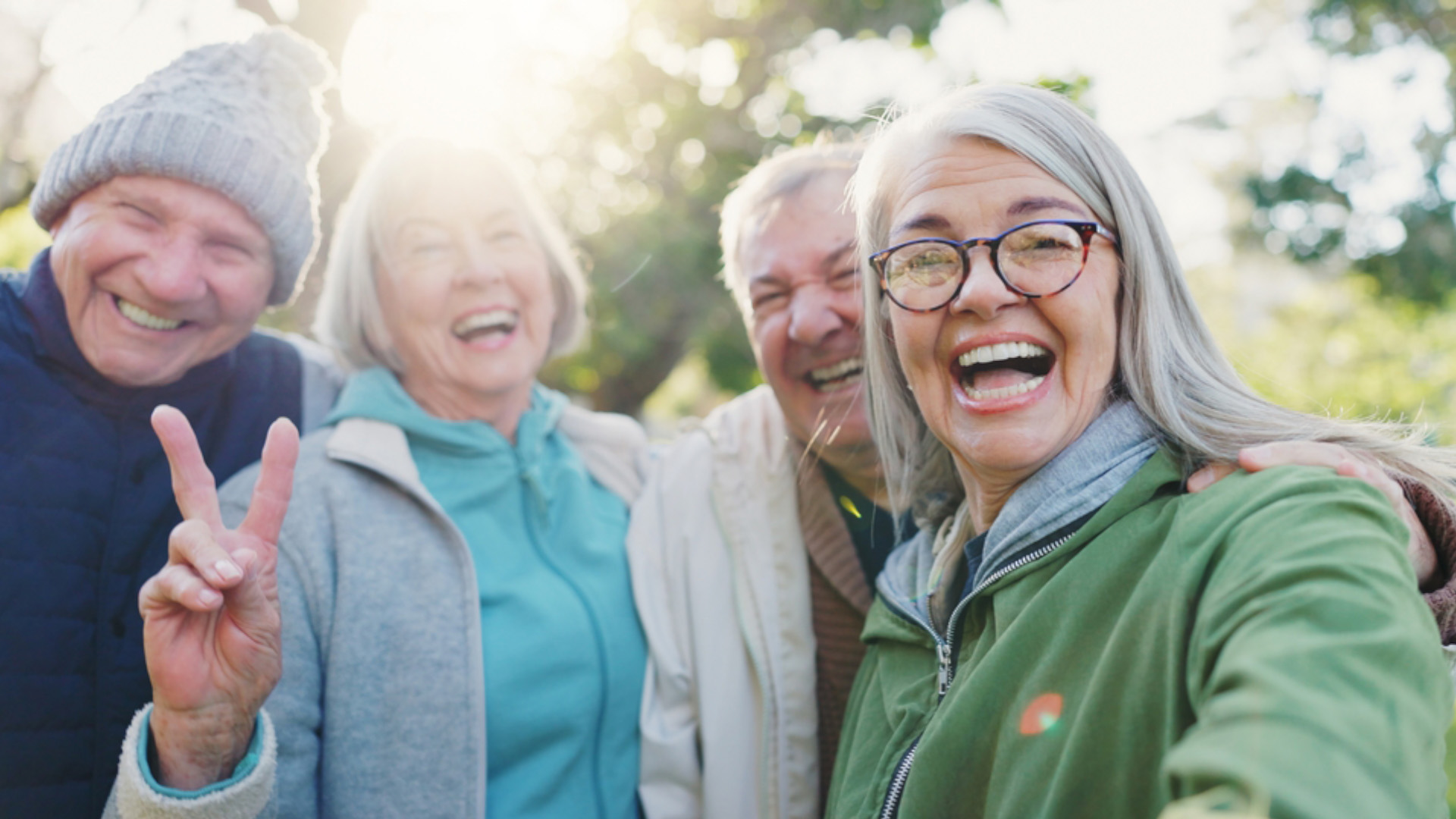
Hello everyone, I hope you’re doing well and enjoying the return of warmer days. After the long winter we’ve had, I’ve found myself reflecting quite a bit on climate change and how it affects our daily lives—especially as we get older.
I recently had the chance to attend a conference by the Centre d’excellence en vieillissement de Québec (CEVQ) on aging in the context of environmental changes. It really got me thinking, and I came away with a few insights that stayed with me. I thought I would share some of those reflections with you.
Older adults are more vulnerable to climate changes Climate change is affecting our daily lives—and older adults are often more at risk. As we age, our bodies don’t adjust to temperature changes as easily. For example, we may not sweat or shiver as effectively, which makes it harder to cool down or warm up. We may also feel less thirsty, even when our body needs water, increasing the risk of dehydration.
The heart and lungs also become less efficient over time. This can make it harder for the body to circulate oxygen and cope with extreme temperatures, sometimes leading to fatigue, dizziness or weakness. Because of these natural changes, heat waves and cold spells can have a stronger impact on older adults. Some situations can increase these risks even more. Living with a chronic health condition, taking certain medications, or feeling socially isolated can all make it harder to stay safe during extreme weather. Financial challenges may limit access to air conditioning or heating. Access to clear, easy-to-understand information also plays an important role in staying safe and prepared. What you can do At the individual level: Small actions can make a big difference. Try to keep your home cool or warm depending on the season, and create a shaded or comfortable space. It can also help to gradually adapt to temperature changes rather than facing them all at once.- If you are over 65, drink water regularly—even before you feel thirsty.
- Choose light meals to help regulate body temperature, like salads and sandwiches.
- Plan ahead by identifying an emergency contact and preparing a small emergency bag.
- Staying informed is also key. Sign up for Conseil climat, a free phone call service to alert you about heatwaves.
Amid these challenges, it’s also important to stay connected to what remains steady and life-giving: The simple privilege of fresh air in our lungs, the beauty of the St. Lawrence River, and the presence of our loved ones around us.
Wishing you a lovely month of May! Anaïs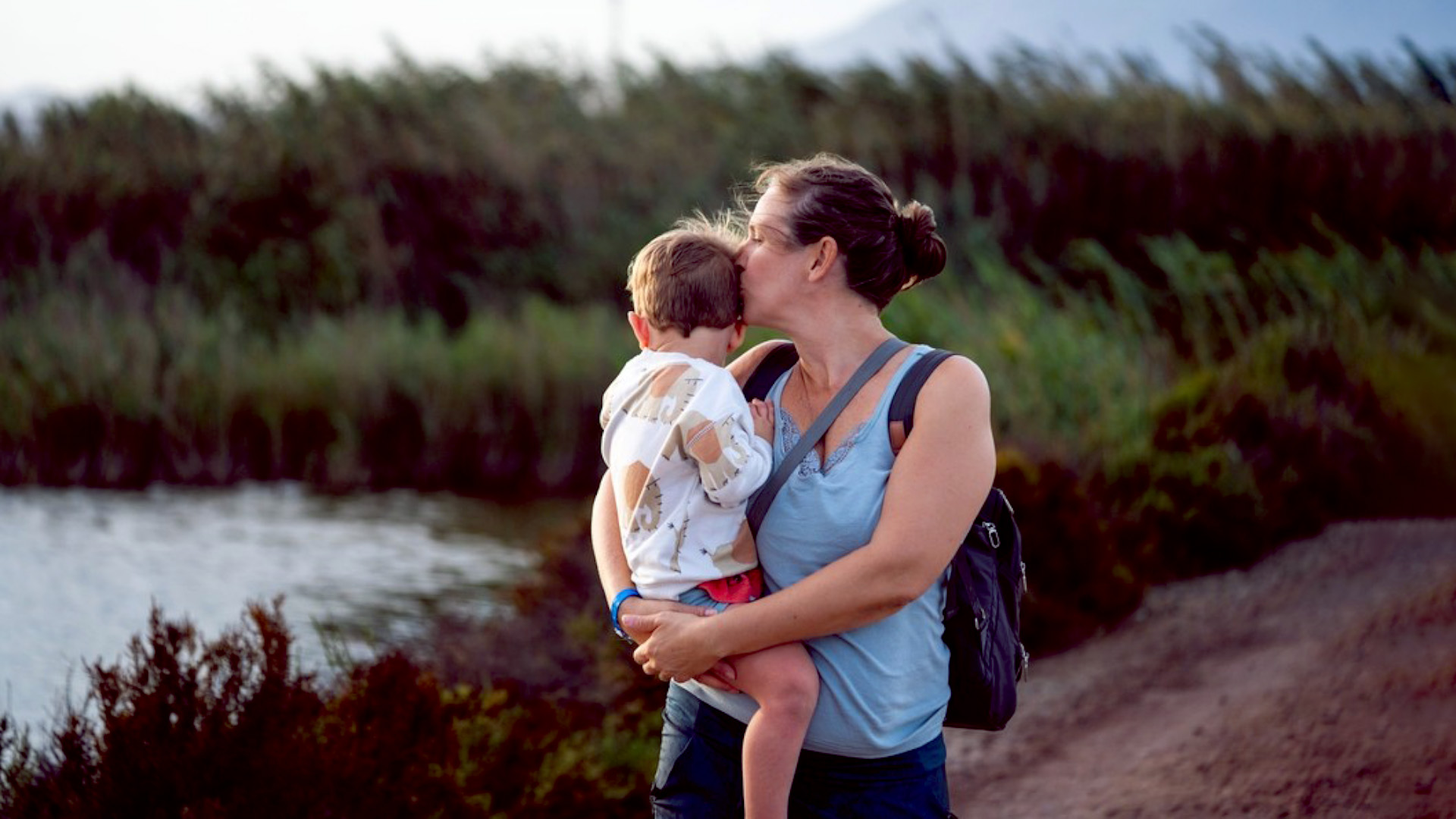
As we approach Mother’s Day—falling this year on Sunday, May 10th—there are a lot of feelings that can come with this day. I truly love the idea of having a special day to celebrate mothers and all the love, energy and dedication they give every single day. But what we don’t talk about enough are the harder feelings that can show up too, like stress, guilt, sadness and even grief. It’s important to be mindful that for some people, this day can feel heavy.
The not-so-glamorous side of Mother’s Day Mother’s Day isn’t joyful for everyone. For some, it can be a reminder of someone they’ve lost—a mother, a partner, grandmother, a child or another important person in their life. For others, it can also be a reminder of not being able to conceive, become a mother, or carry out the kind of life they had hoped for. Celebrating someone on this day can also bring pressure to the organizers. The pressure to make the day perfect, to celebrate in the “right” way, to create something beautiful and, let’s be honest, a little Instagram-worthy. That kind of pressure can take away from what the day is really about.
Mother’s Day can also bring up something we don’t always say out loud—the sense of losing who we were before becoming a mom. Becoming a mother is a huge life transition. It changes everything. And while it can be incredibly beautiful, it can also feel overwhelming, and at times, even a bit disorienting. It takes time to find yourself again in this new role. Honestly, sometimes a lot of time. And that’s okay.
The weight of, “Am I good enough?” I am constantly wowed and encouraged when I hear someone say, “I am a great mom.” But honestly? I think I’ve only heard one parent say that to me in the past few years. Not months, years! Why is that? How many of us, deep down, truly believe that we are a great mom? Because if I’m being honest, parenting often comes with a whole lot of self-doubt and feelings of inadequacy. We question ourselves all the time.
But what does it even mean to be a “good” mom? We’re living in a world of information overload—advice everywhere, opinions everywhere, and social media constantly in our faces. It’s so easy to fall into the trap of comparing ourselves and feeling like we’re not doing enough, or not doing it right. But the truth is, it is impossible to be a perfect parent all the time. Have we forgotten that it’s okay to make mistakes? That maybe we need to be a little kinder to ourselves? Can you be a good mother even if you’re not perfect? Even if you’ve made mistakes along the way? Yes, you can!
Redefining what we celebrate I want this blog to be an important reminder: Mother’s Day doesn’t have to be about perfection, for those organizing something and those being celebrated. When we focus on perfection, it can leave so many moms and mother figures feeling like they don’t measure up, like they’re not doing enough, or even like they don’t deserve to be celebrated at all. But that’s not what motherhood is. Let’s celebrate the things that really matter:
- All mother figures, not just biological mothers.
- Showing up, even on the hard days.
- Loving our children deeply.
- Being vulnerable.
- Trying again when things don’t go as planned.
- Being imperfect, because that is part of it too.
Celebrating from the heart For those wanting to do something for the mothers or mother figures in their lives this Mother’s Day, just remember—it doesn’t matter how big or small the gesture is. What matters is that it feels meaningful and comes from the heart. Sometimes, the things that mean the most are actually the simplest: cuddles in bed, spending time together doing something you enjoy, or even just a few quiet moments sitting close and being together.
Sending positive thoughts your way—and a few virtual hugs, too. If you need support, or help getting connected to programs for you or your family, please don’t hesitate to reach out. I am only an email or a phone call away.
Hugs, Jessica